UX/UI Design | Case Study
Developing an interactive playware system for therapists and children with autism
The Problem
Therapeutic childcare settings, particularly for children with autism, lack products that are versatile, interactive, and purpose-built for their use. Existing options in Singapore are often expensive, or designed primarily for other users (e.g. sports athletes), resulting in limited customisation and fit for purpose.
Working within this brief, we investigated a solution that would meet the following requirements:
- modular and customisable to a therapist & teacher's curriculum, including a floor and wall solution for upper and lower body practice
- multimodal feedback (auditory, haptic, visual)
This project was funded by the Singapore Tote Board-Enabling Lives Initiative (TB-ELI) Grant and in collaboration with DigitalDream and Embodied Sensing Pte. Ltd.
My Role
As the sole designer on this project, I worked across research and design through to execution, which included:
- Engaged with therapists and teachers across 3 schools in Singapore, including conducting interviews, observing classroom and therapy sessions, and product testing
- Liaised between therapists and engineers to translate user feedback into technical requirements
- Developed the mechanics and game flow for three games, each targeting a different developmental focus, within hardware and platform constraints
- Designed the UI for the tablet application and web analytics platform
The Result
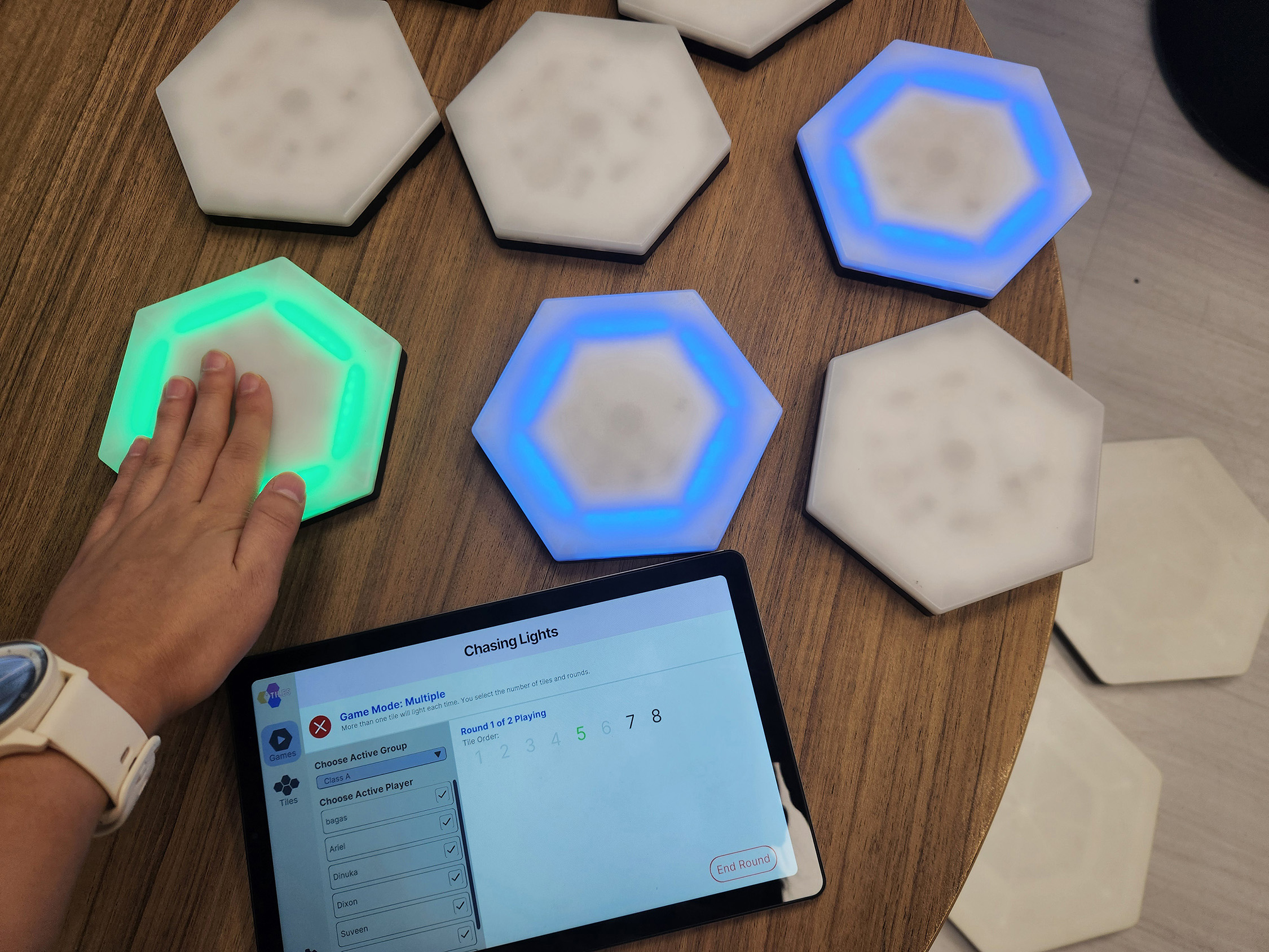
iTILES comprises a set of 16 physical tiles (8 large floor tiles and 8 small wall tiles), a tablet application, and a web-based analytics platform. The smaller tiles can be placed upon tables or mounted on walls, while the larger floor tiles are designed to be stood and jumped on. As of early 2025, a total of 30 sets are deployed in 10 schools around Singapore.
The tablet app allows therapists to set up and customise games, which children are then able to engage in through the tiles lighting up with colours, sounds, and vibrations. There are three games, each primarily targeting one area of development (eg. cognitive, physical, or social skills). Data from these games are also stored and can be tracked via an online web platform.
The Games:
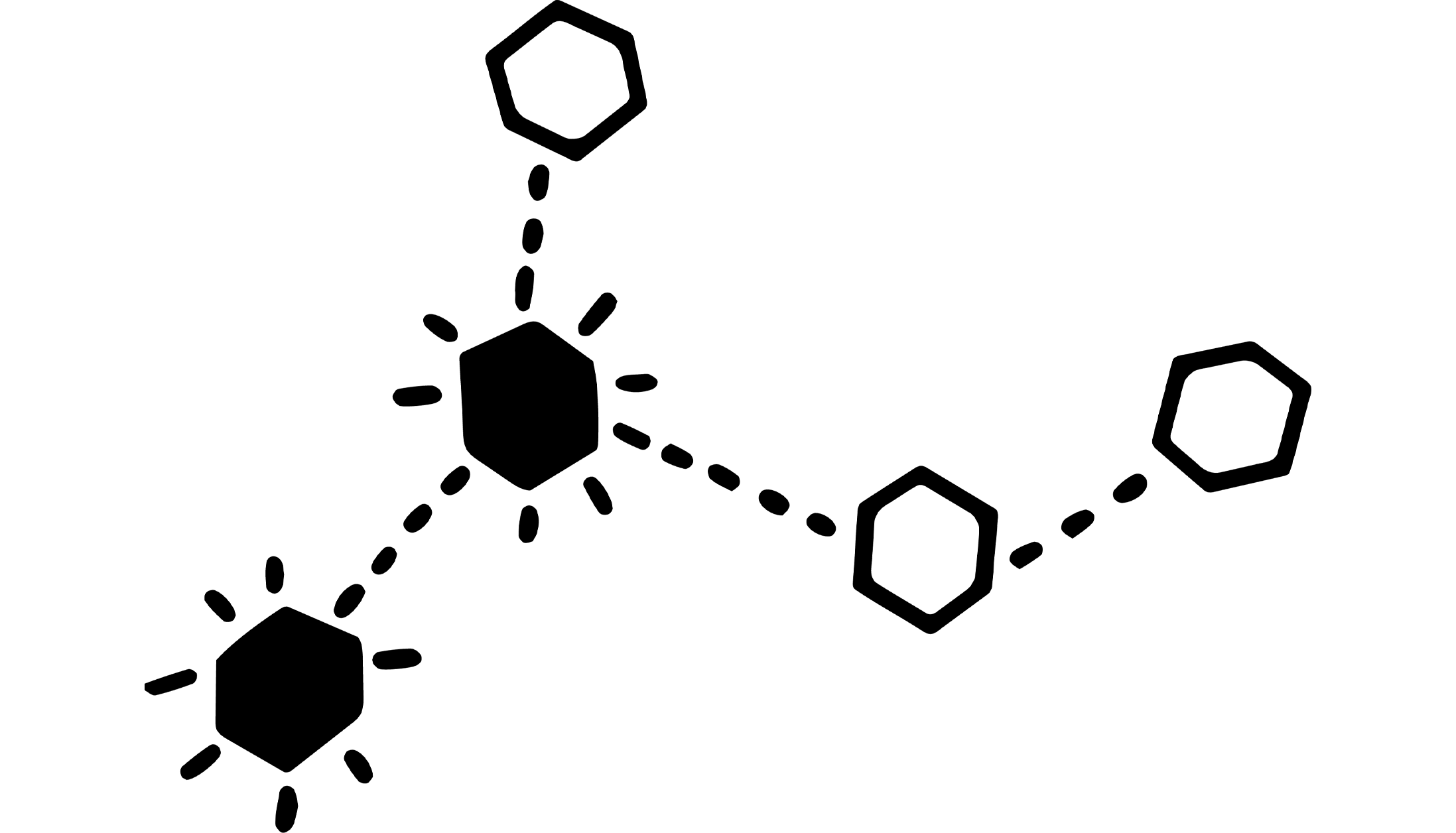
Memory Sequence
Tiles light up then disappear, you must remember and repeat the pattern correctly.
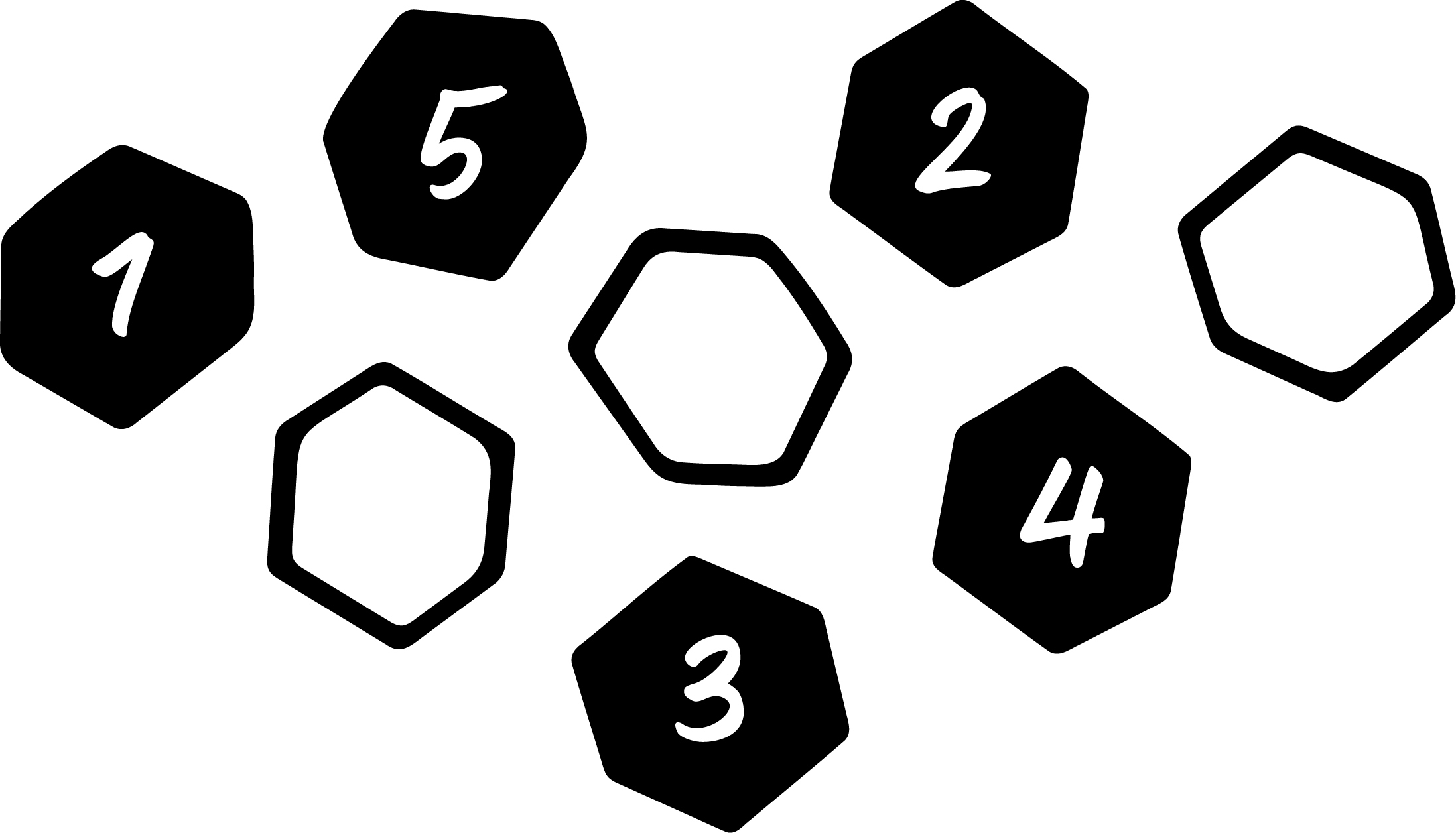
Chasing Lights
Tiles light up, you must find and tap the correct tiles.
Music Orchestration
Assign custom sounds and colours to each tile. Create your own songs or sequences.

Feedback
During the development period, we received many positive responses from therapists and children. Therapists affirmed the games’ potential to improve physical skills (e.g. balance, coordination, fine/gross motor skills), cognitive skills (e.g. visual perception, spatial concepts, scanning, working memory, selective/sustained attention) and social skills (e.g. teamwork, turn-taking, sharing)—just to name a few!
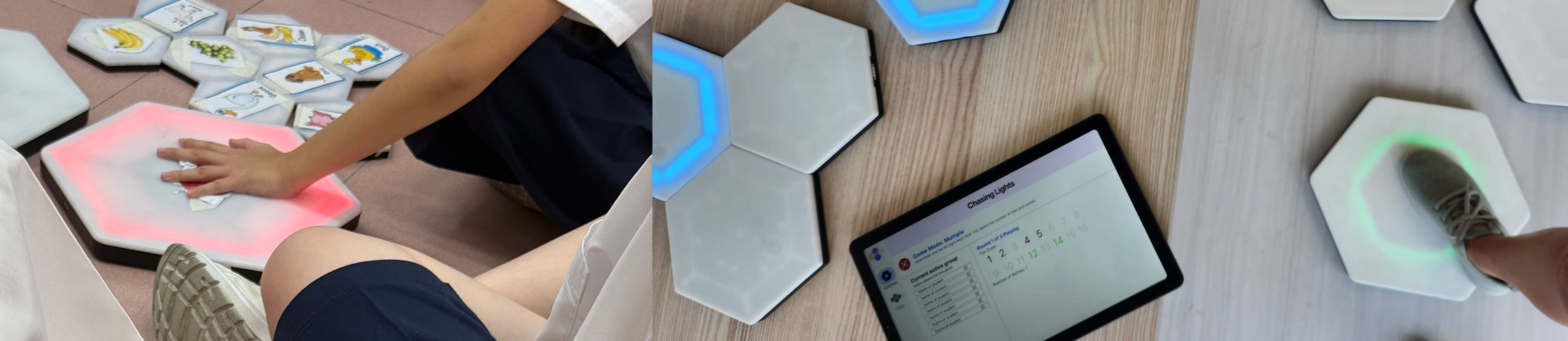
While these came from the games as part of iTILES, we also observed adaptations of them in ways we didn’t expect. For example, some therapists taped different pictures on top of tiles (eg. of animals, fruits, colours) or suggesting their higher-functioning students to role play as teacher and student (developing social skills). Often we would see and hear of examples of therapists using the tiles and games beyond the primary skills they were designed for.
“It gave a very good medium for the non-verbal kids to be as expressive as possible… they would try to verbalise like “pink”, “cow”, etc., it was a very nice game to get them to say a few words or sentences.” - Therapist
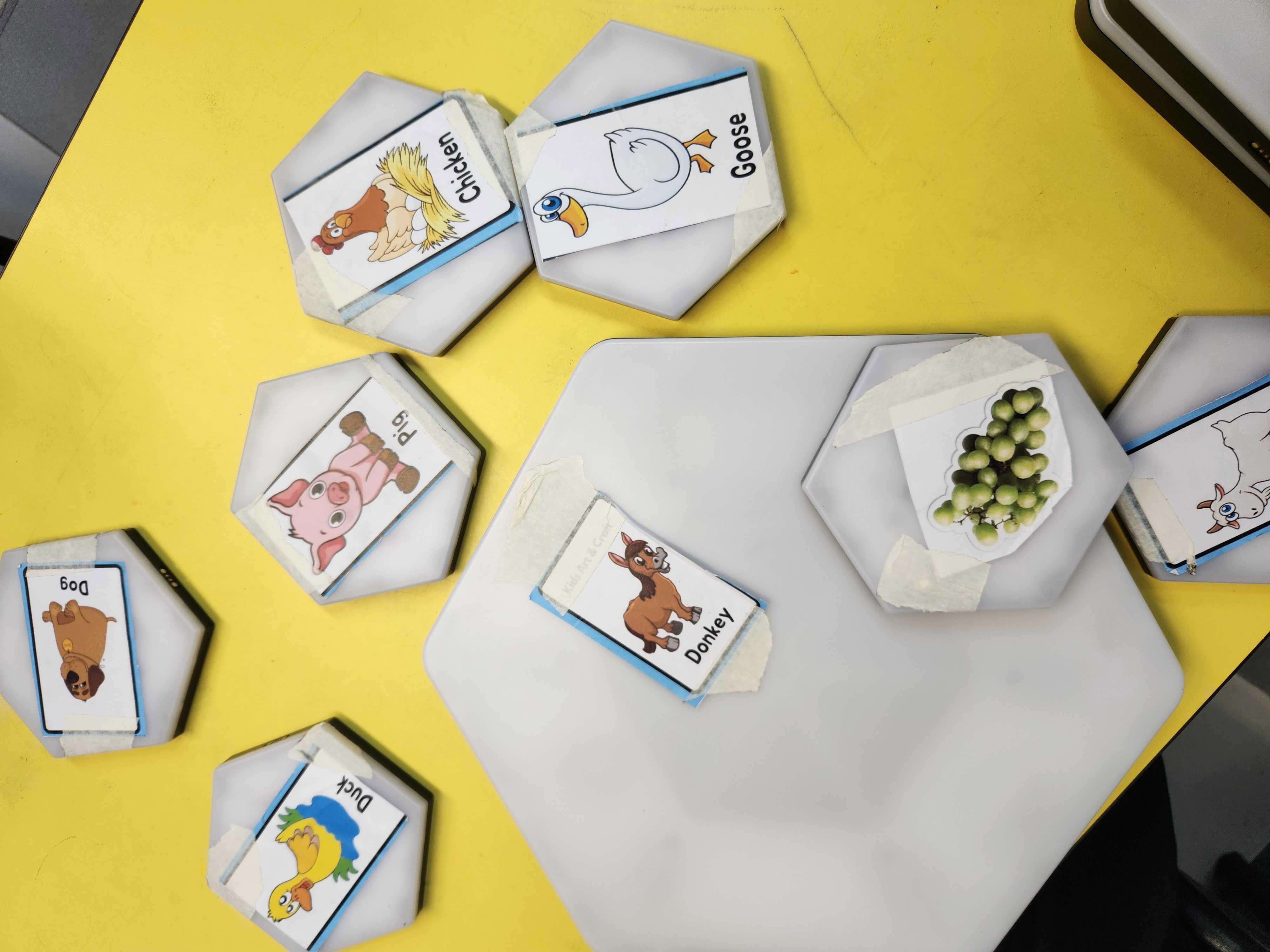
Beyond skill-building, we saw children having a lot of fun, with excitement and anticipation at these games. Therapists expressed the value of having iTILES as part of their practice, although further follow-up would be required for any long-term validation.
“They always choose their favourite colour, so they get excited and it’s a game that they could choose what they prefer, that was great.” - Therapist